Superstition and Mental Preparation

Hey blog, how are we all doing today?
Today, I am going to be discussing a topic that many of you can more than likely relate to, which is superstition and mental preparation. Whether an athlete chooses to admit it or not, at some point in their career, they are going to experience some sort of accord with superstition. If any of you have played sports in your lives, then you know what I am referring to. It can be something so minuscule that others would not be able to notice, such as wearing the chain your grandma gave to you in 1st grade, or eating the same meal before every game, or listening to "Stayin' Alive" by the Bee Gees three times before taking the field. To the naked eye, superstition seems incredibly random and even a little bit unorthodox, but when analyzed deeper, it connects deeply to how an athlete mentally prepares to perform under an immense amount of pressure.
In sports, performance is rarely ever relegated to only the physical aspect. It is also extremely impacted by the athlete's mental state, their confidence in themselves and their abilities, and their ability to remain locked in despite facing adversity. Superstitions can seem unimportant, but they are heavily tied to much larger psychological processes. Over the course of this post, I am going to analyze and break down what superstition truly is in a sports setting, why athletes feel the need to perform these behaviors, and how they connect themselves to mental preparation, while simultaneously answering how athletes can use these ideas to improve their performance.
Understanding Superstition in Sport
Superstition in a sports context means any behavior, ritual, or belief that an athlete buys into that they personally believe will impact their performance, even if there is no real-world evidence to support their belief. These behaviors are more often than not repeated over time and become a crucial part of the athlete's practice and/or competition routine. Even if no direct cause-and-effect relationship presents itself between the behavior and performance, the athlete's belief in it can substantially impact how an athlete both feels and performs in a competition.
Superstition is a topic that has long been documented and is evident across every major sport in the world. Baseball players are some of the athletes who are most known for their extremely specific, and for lack of a better term, hilarious routines and rituals. Examples include wearing the same pair of underwear or socks during each game, or not touching a specific part of the field prior to game time. Basketball players are no exception, as they often have set routines before they shoot their pair of free throws. Volleyball players also often bounce the ball a certain number of times before serving, in order to, according to their belief, get the ball over the net. These actions logically and physically have no impact or relation to the athlete's performance; they help to create a sense of familiarity and control for the athlete.
Sports are inherently unpredictable. Despite the athlete's ability to train intensely, there will always be outside factors that they cannot physically control, such as the other team's performance, committing an error, or even momentum shifting back and forth throughout the game. Superstition helps athletes to feel as though they have some sort of control over what is taking place during competition in situations where their control is actually extremely limited. This feeling of constant control can contribute to reducing anxiety and help athletes feel more confident in their level of preparation.

Why Athletes Rely on Superstitions
Superstitions typically develop through an athlete's experience as opposed to intention. An athlete could perform well one day when a certain event took place, such as wearing a bright pair of pink socks, which subsequently makes them believe that their performance and the action or event are related. Over time, the athlete begins to believe in this behavior and begins to repeat it over and over again, truly believing that it will lead to the same positive outcome.
This process is what is known as illusory correlation, which is defined as two unrelated events that people choose to connect to one another. In athletics, this style of thought can become incredibly strong for an athlete because they never cease looking for patterns that explain their successes and their shortcomings. When one tactic seems to work, they run with it, even if it is truly a coincidence; the athlete holds on to it tightly.
Another reason that athletes rely on superstitions is due to the pressure that they feel during every game. Competition creates stress naturally, which means that stress can negatively affect the athlete's performance if it is not handled correctly. Superstitions help to create a certain sense of consistency, which leads to a feeling of comfort for the athlete. When the athlete follows a familiar routine, it makes them feel far more stable and less overwhelmed by these feelings of intense pressure. This feeling of comfort can be incredibly useful in high-pressure situations for the athlete.
From my own experience, especially in a volleyball context, I have seen how routines and even the most minor of superstitions can contribute to an athlete feeling more confident. Players who follow these routines before their serves, passes, or even during warm-ups tend to demonstrate a superior sense of focus and composure. It is not even the action itself that improves performance, but the mental state that it helps the athlete to manufacture.
The Psychological Impact of Superstition
Despite superstition not being supported by science, it still can have true psychological effects on an athlete. One of the main reasons why it can prove to be so effective is due to what is known as the placebo effect. When an athlete truly believes in their mind that performing a certain action will help them to perform better, that belief can help to improve both their confidence and even reduce their overall feeling of anxiety. This contributes to improved performance levels, despite the action having no correlated impact.
Superstitions also help athletes in handling their emotions. Most athletes, especially myself, have experienced feelings of nervousness and anxiety. Having the fallback of a consistent routine can help to calm those nerves and help to feel a certain sense of stability. This proves especially crucial in sports where performance depends heavily on focus and precision.
Another crucial factor is attention control. Superstitions help athletes to narrow down their focus and block out all external forms of distraction. When an athlete is entirely focused on their routine, they are far less likely to overthink or become distracted by outside sources. This helps these athletes to remain in the moment and to perform much more effectively.
However, it is vital to recognize that the effectiveness of superstitions comes from the belief that lies behind it, and not the action itself. This is where the connection to mental preparation truly begins to become important.
Mental Preparation as the Foundation of Performance
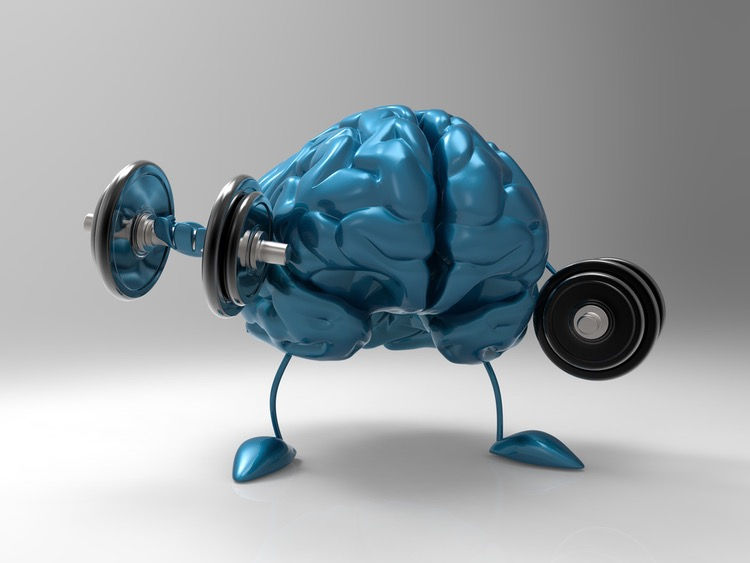
While superstition can certainly play a role in performance, mental preparation is the true foundation of success in sports. Mental preparation consists of intentional strategies that athletes can use to improve their focus, confidence, and especially their emotional control. While superstition is often based on one's beliefs, mental preparation is built on the foundations of proven psychological principles.
Mental preparation includes strategies ranging from visualization to positive self-talk. These techniques help an athlete to prepare themselves for competition in both a structured and reliable manner. For example, an athlete who utilizes visualization would be able to mentally rehearse their performance before it ever takes place in real-time, which can lead to boosts in confidence and execution. Positive self-talk allows athletes to remain focused and avoid negative thoughts that can prove to be detrimental to performance.
One of the most drastic differences between superstition and mental preparation lies in the fact that mental preparation is controllable. Athletes can rely on these useful strategies no matter the situation, and regardless of the external factors present. Due to this fact, mental preparation is far more effective for athletes to use in the long term.

The Connection Between Superstition and Mental Preparation
Although superstition and mental preparation are very different, they are also closely connected. Many superstitions are actually just another form of routines, and routines play a central role in mental preparation. The major difference lies in the fact that mental preparation is intentional, while superstition is based on a belief without truly understanding the belief.
For example, if a volleyball player were to follow the same routine before serving the ball over the net, it could be considered a superstition, while also being considered a mental preparation tool. The routine slows the athlete down, helps them to focus, and most importantly, to execute the skill with confidence. In this case, the superstition functions as a form of mental preparation.
The main goal is to truly understand why the routine works. When athletes recognize that the benefit stems from focus and confidence as opposed to luck, they can truly begin to shift from superstition to a more intentional mental preparation. '
When Superstition Helps and When It Hurts
Superstition can be extremely helpful when it fully supports an athlete's mental state without creating an overwhelming sense of dependence. When used in a beneficial and healthy way, it can lead to a boost in confidence, reduce the athlete's anxiety, and create consistency. These factors all come together to improve performance.
However, superstition becomes an issue when athletes begin to rely on it. If an athlete believes that they can no longer perform at a high level without a ritual, it creates a weak mental mindset. If the ritual becomes disrupted, their confidence plummets, and thus their performance begins to suffer as a result.
This is especially key for high-performance athletes, who must always perform despite the situation. Competition, as already established, is unpredictable in its nature, and routines do not always go as the athletes want them to. Athletes who begin to rely far too heavily on superstition can struggle when their routine is disrupted.
Applying This to Volleyball and Performance
In volleyball, mental preparation is important because of how fast-paced the game truly is. There is no time to sit and ponder mistakes. Players must mentally reset rapidly and shift their focus to the very next play. This requires immensely strong mental skills, consisting of focus and confidence, for example.
A player who misses a serve cannot simply afford to carry that mistake into the next play or rally. They must reset right after the error and remain focused on the present moment. This is where mental preparation becomes superior to superstition. While a routine can certainly help, it is the athlete's ability to control their own thoughts and emotions that impacts the outcomes of performance.
From my own experience, the best players are not the ones who fall back on superstition, but the ones who are mentally prepared. They remain composed under pressure, turn around and respond rapidly to errors, and maintain confidence even when they make mistakes.

High-Performance Athletes and Mindset
At the peak levels of sport, the difference between athletes is often more mental than physical. The athletes at this level own advanced skills, so their performance boils down to their mental state. High-performance athletes focus on controlling only what they can and put their trust in their countless hours of preparation.
These athletes may still have routines or habits, but they do not rely on them to succeed. Their confidence is drawn from their training and preparation, and not only their superstition. This enables these athletes to perform consistently, despite high-pressure situations.
Another vital aspect of high-performance athletes is their incredible ability to remain adaptable when things do not go their way. Even with the best preparation, mistakes happen, refs make bad calls, and situations do not go as intended. Athletes who rely too much on superstition can struggle in these moments because their sense of control is tied far too closely to something external. In contrast, mentally prepared athletes can adjust quickly because their confidence comes from within. They trust in their training, remain composed, and focus on the moment ahead.
Final Thoughts: Beyond Superstition
When it comes down to it, superstition in athletics is not merely about luck. Rather, it is a belief, and a belief that holds an immense amount of weight for an athlete. If something contributes to an athlete feeling confident and focused, it can have a positive impact on performance. However, the goal is to make sure the belief is rooted in something that is truly reliable.
Mental preparation is what drives performance. It allows athletes to remain consistent, confident, and in control of their own actions, despite the current situation. Superstitions can serve as key parts of routines, but they should not define an athlete's overall performance.
What truly defines which athletes are going to succeed is not luck, but being mentally prepared and ready to perform when it truly matters the most.
"I'm not superstitious, but I am a little stitious" -Michael Scott, The Office


Comments